
10 Spring Break Destinations for Families

The best spring break destinations for families depend on your budget, your children’s ages, and the kind of break you want. In our family, finding that sweet spot between what the kids want and what my husband and I can actually manage (and afford!) takes a little juggling.
For warm weather, consider Florida’s Gulf Coast or San Diego; for rides and attractions, look at Orlando; for outdoor time, consider the Great Smoky Mountains or the Grand Canyon area; and for a city break, Washington, D.C., offers museums and landmarks. Before we pack up the minivan, my husband and I always make sure to double-check seasonal weather, opening dates, travel time, and the full cost before booking.
How to choose the right family spring break
Before you choose a place, think about what your family needs most. Younger children may do better with short travel days, a pool, and one main activity each day. When our kids were toddlers, we quickly learned that trying to squeeze in three attractions before naptime only led to epic meltdowns—for everyone involved! Older kids may enjoy hiking, water sports, museums, or theme parks. If grandparents are joining, check walking distances, stairs, transport, and places to rest.
Also, do not assume every spring break destination will be warm. March and April can bring very different conditions across the United States. Mountain roads and trails may still be snowy, while beaches can have cool water or windy days. School holiday dates also vary, which can affect prices and crowds. I always check the National Weather Service spring safety guides to avoid getting caught off guard by unpredictable spring storms.
At a glance: 10 family spring break ideas
| Destination | Best for | Budget feel | What to check |
| Florida Gulf Coast | Beach days and relaxed family time | Moderate to high in peak weeks | Beach flags, water conditions, accommodation and parking |
| San Diego, California | Beach, zoo, museums and city activities | Moderate to high | Flight and hotel prices; coastal weather can be cool |
| Orlando, Florida | Theme parks and water parks | Often high | Park tickets, reservations, transport and rest days |
| Great Smoky Mountains, Tennessee/North Carolina | Cabins, scenic drives and easy outdoor activities | Low to moderate, depending on lodging | Crowds, trail conditions, parking and weather |
| Grand Canyon area, Arizona | Big views and nature learning | Moderate | Rim temperatures, wind, road access and age-appropriate trails |
| Washington, D.C. | Museums, monuments and history | Low to moderate | Hotel rates, walking distances and timed-entry rules |
| Williamsburg, Virginia | Living history and hands-on learning | Moderate | Seasonal opening hours and ticket bundles |
| Phoenix and Scottsdale, Arizona | Desert gardens, easy hikes and pools | Moderate to high | Heat, sun exposure and trail difficulty |
| A nearby state park or lake town | A short, lower-cost break | Low to moderate | Opening dates, weather, facilities and driving time |
| An all-inclusive family resort | Simple planning and on-site activities | High upfront; easier to estimate total spend | What is included, transfer costs, kids’ club ages and cancellation terms |
1. Florida Gulf Coast: for a classic beach break
If your family wants sand, simple outdoor fun, and a slower pace, look at Florida’s Gulf Coast. Destin, Clearwater, and the area around Sarasota offer beach time along with boat trips, nature centers, and family restaurants. You do not need to fill every hour: a morning on the beach, a picnic, and a quiet evening can be enough. In our family, a quiet evening usually means eating takeout pizza on the balcony while the kids show off their shell collections.
The trade-off is that spring break can bring busy beaches and higher room rates. Water and weather conditions change, so follow local beach flags and lifeguard guidance. If you are traveling with small children, choose lodging close to the beach or a pool so you do not have to carry everything far.

2. San Diego, California: for a mix of beach and city
San Diego works well for families who want more than a beach holiday. You can combine coastal walks with the San Diego Zoo, Balboa Park, museums, and casual food stops. It suits families with different interests because you can switch between outdoor and indoor activities.
It is not always hot in spring, especially near the coast, and popular attractions can add up. Compare the cost of tickets and accommodation before choosing this destination. My husband and I like to budget extra for snack runs, because walking around San Diego’s Balboa Park somehow makes our kids perpetually starving! Pack layers, comfortable walking shoes, sun protection, and a light jacket.

3. Orlando, Florida: for theme-park fans
Orlando is a strong choice if your children are excited about theme parks, character experiences, rides, and water parks. It can be a memorable trip, but it needs a realistic plan. Park tickets, meals, transport, and add-ons can make the total much higher than the hotel price suggests.
Choose the number of park days based on your children’s ages and energy. A rest day at the hotel pool can be worth more than squeezing in another long day. Trust me on this one—the kids will often remember playingMarco Polo in the hotel pool just as fondly as standing in line for a ride! Check official park calendars, height limits, opening hours, and reservation rules before you go.

4. Great Smoky Mountains: for cabins and outdoor time
The Great Smoky Mountains area is a good fit for families who prefer scenic drives, short walks, wildlife viewing, and cabin time over a packed attraction schedule. Nearby Gatlinburg and Pigeon Forge also offer indoor attractions and family entertainment when the weather changes.
Spring weather can be unpredictable. Some higher trails may be muddy or cold, and popular areas can be crowded during school breaks. I always review the National Park Service alerts before we start out, especially for trail conditions. Carry water and layers, and keep children close around roads, streams, and wildlife.

5. Grand Canyon area: for a big nature experience
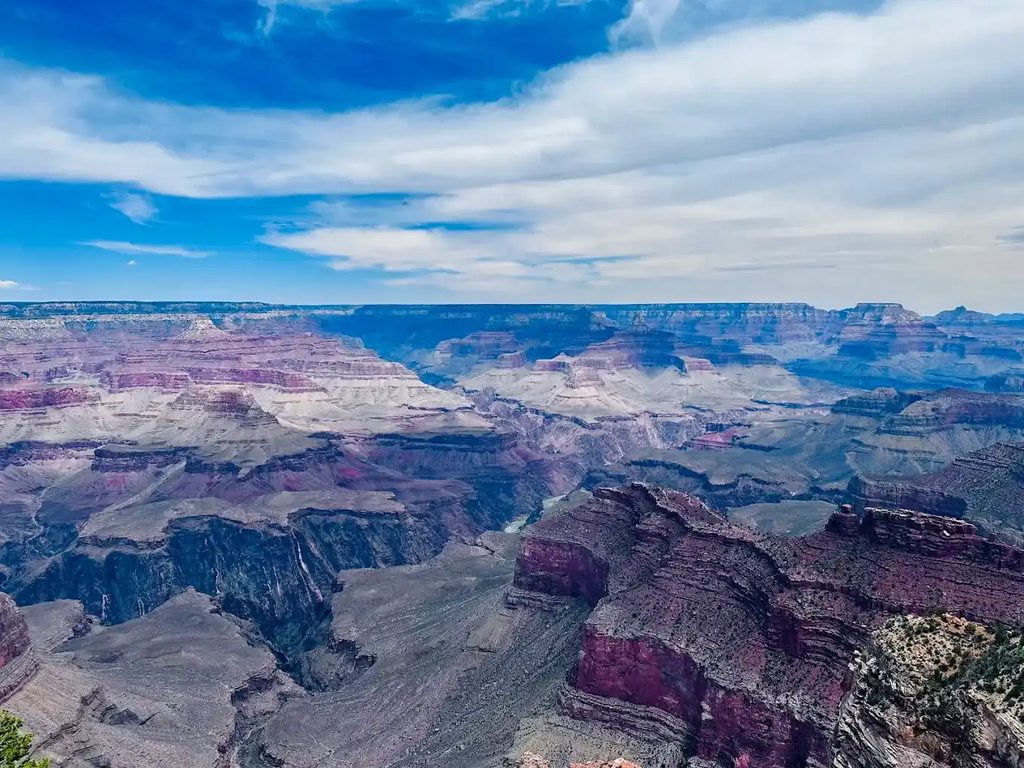
The Grand Canyon can make a spring break feel very different from a beach or theme-park trip. Viewpoints, ranger programs, and short walks can help children understand the scale of the landscape. You do not need to attempt a long hike to enjoy the visit.
Spring temperatures can change quickly, and conditions at the rim may be cold, windy, or snowy. Whenever we travel to high-elevation parks, like Great Basin or the Grand Canyon, I make sure to read the park’s spring visitor tips so we pack enough heavy layers for sudden drops in temperature. Stay behind barriers and keep children within arm’s reach near exposed overlooks.
6. Washington, D.C.: for a city trip with learning built in
Washington, D.C. is worth considering if your family likes museums, monuments, and history. Many Smithsonian museums have free admission, which can help control costs, though some special experiences may charge fees or require timed entry. Plan one or two main stops per day rather than trying to see everything.
The city involves a lot of walking, and spring events can make some areas busy. Choose accommodation near transit if possible, check museum hours in advance, and build in snack and rest breaks. Before heading out to the museums, I always check the Smithsonian visitor page to see which passes we need to book ahead. A small day bag with water, snacks, and a portable charger can make the day easier.

7. Williamsburg, Virginia: for hands-on history
Williamsburg can be a good choice for school-age children who like stories, crafts, and seeing how people lived in the past. Pair the historic area with outdoor time or a nearby attraction so the trip does not become too much walking and listening for younger children.
Check the official calendar before booking because demonstrations, tours, and operating hours can vary by season. Compare ticket options and decide which experiences your family will actually use.

8. Phoenix and Scottsdale, Arizona: for desert scenery and pools
The Phoenix area offers desert gardens, easy nature walks, family attractions, and hotels with pools. It can suit families who want sunshine and a mix of outdoor and indoor plans without committing to a full beach trip.
Desert sun can feel strong even when the air does not seem very hot. Plan hikes for cooler parts of the day, carry more water than you think you need, and avoid trails beyond your family’s ability. Check local trail alerts and the forecast before setting out.

9. A nearby state park or lake town: best for keeping costs down
A destination within a few hours of home can be the smartest spring break choice. You may save on flights, airport transfers, and baggage fees, and spend more time actually enjoying the trip. Look for a state park, a lake town, a small historic city, or a cabin area with free outdoor activities.
Before booking, confirm that trails, visitor centers, boat rentals, and seasonal attractions will be open. Spring can be a shoulder season in many places, so do not assume summer services are already running. My husband and I once learned this the hard way when we arrived at a lake town in late March only to find every ice cream shop and rental shack closed for the season!
10. An all-inclusive family resort: for simpler planning
An all-inclusive resort can make budgeting easier because meals and some activities are included in one upfront price. It can work well for families who want pool time, kids’ activities, and fewer daily decisions. But “all-inclusive” does not always mean every expense is covered.
Read the fine print for airport transfers, premium restaurants, excursions, tips, childcare age limits, and cancellation rules. If you are heading abroad with kids, I recommend reviewing the government guide on travelling with minors and making sure your child passports are up to date well before paying a non-refundable deposit.

Which destination is best for your family?
- For toddlers and preschoolers: choose a short journey, flexible days, nearby food, and easy access to naps or quiet time. In our family, keeping snack bags within arm’s reach in the car saved us from many back-seat squabbles!
- For school-age children: mix one main attraction with outdoor play, swimming, or a hands-on activity.
- For teens: involve them in choosing activities and balance family plans with some independence in safe, agreed settings. Letting them pick one major activity for the day works wonders for their enthusiasm.
- For a tight budget: start with driving distance, accommodation with a kitchen, free activities, and fewer paid attractions.
- For a multigenerational trip: prioritize easy transport, accessible rooms, shorter walks, and activities that can be enjoyed at different energy levels.
- For unpredictable spring weather: choose a destination with indoor alternatives as well as outdoor plans.
How to save money on spring break
- Set a full-trip budget, including transport, lodging, meals, parking, tickets, tips, and a buffer for surprises. My husband and I keep a shared spreadsheet on our phones so we stay on the same page about daily spend.
- Compare the total cost of flying and driving. A cheap flight may not stay cheap after bags, transfers, and a rental car.
- Travel on less popular dates if your school schedule allows it. Spring break timing varies, so flexibility may help.
- Book accommodation with a fridge or kitchen and plan a few easy breakfasts or lunches. Cooking oatmeal in the room or making quick turkey sandwiches for a picnic bench cuts down food costs drastically.
- Choose one or two paid highlights, then fill the rest of the trip with parks, beaches, scenic walks, and free museums.
- Check cancellation policies and weather risks before choosing a non-refundable rate.
What to pack for a family spring break
Use this as a starting point and adjust it to your destination and children’s needs (this list has saved our family from packing chaos more times than I can count!):
- Comfortable walking shoes and a second pair of shoes
- Layers, including a light rain jacket or warm layer
- Sun hats, sunglasses, and broad-spectrum sunscreen
- Refillable water bottles and easy snacks
- Swimwear and a quick-dry towel if swimming is planned
- Any regular medicines, basic first-aid supplies, and copies of important documents
- Chargers, a power bank, and offline access to tickets or reservations
- A small day bag with wipes, tissues, spare clothes for younger children, and a plastic bag for wet items
My Real Experience
On a recent mountain road trip and camping journey through the Rocky Mountains in Colorado my husband, the kids, and I tackled long driving days and high-altitude trails that really tested our family’s rhythm. Between navigating steep winding roads and managing the packing chaos of winter coats alongside sleeping bags, we definitely had our challenging moments.
What surprised us most was how resilient the kids were when we broke up nine-hour car stretches with simple audiobooks and frequent tailgate snack stops. The biggest lesson we learned was that high altitudes mean packing twice as much water and extra warm layers as you think you’ll ever need—watching the sunset over the peaks made every muddy boot and backseat argument completely worth it.
Final thoughts
A successful spring break does not have to mean the farthest trip or the busiest schedule. Choose a destination that fits your budget, travel time, and children’s energy. Leave room for rest, check current conditions before you go, and make a simple backup plan in case the weather changes. The best family trip is one that works for the people taking it—not just one that looks good in photos.
Frequently Asked Questions
What are the best spring break destinations for families?
Florida’s Gulf Coast, San Diego, Orlando, the Great Smoky Mountains, the Grand Canyon area, Washington, D.C., Williamsburg, Phoenix, nearby state parks, and family resorts can all work. The best choice depends on budget, children’s ages, travel time, and preferred activities.
Where can families go for a warm spring break?
Florida, Southern California, and Arizona are common options, but conditions vary by date and location. Check the forecast and remember that coastal water can still be cold in spring.
What is a good low-cost spring break idea?
A nearby state park, lake town, or small city can reduce transport costs. Choose accommodation with a kitchen and plan free activities alongside one paid attraction.
Is spring break a good time to visit national parks?
It can be, but spring conditions vary widely. Snow, mud, road closures, crowds, and limited seasonal services may affect plans. Check the specific park’s official alerts, road status, and trail conditions shortly before departure.
How far ahead should I plan spring break?
Start as early as your school dates and budget allow, especially for popular destinations and peak travel weeks. Confirm cancellation terms before paying, and recheck attraction hours and travel requirements as the trip approaches.
What should families pack for spring break?
Pack comfortable shoes, layers, rain protection, sun protection, water bottles, snacks, medicines, travel documents, chargers, and destination-specific items such as swimwear. Check the forecast again before leaving.
Are all-inclusive resorts worth it for families?
They can be useful when your family will use the included meals and activities. Compare the complete price and check extra fees, transfer costs, kids’ club age rules, and cancellation terms.