
Do Dental Implants Hurt? A Complete Guide to Pain Levels, Procedure, and Recovery
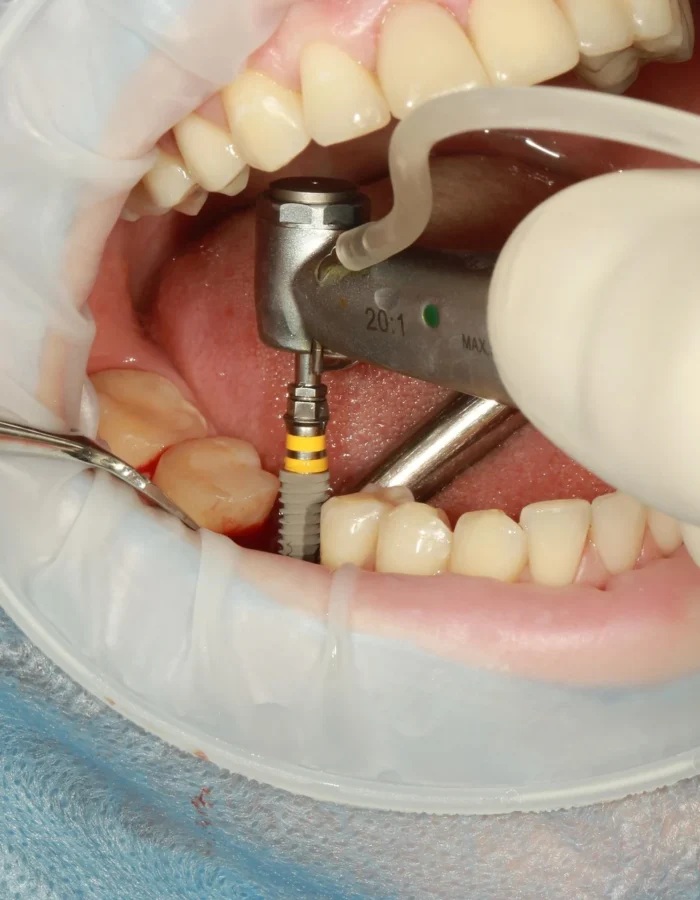
Does getting a dental implant hurt? No, the dental implant procedure itself does not hurt because it is performed under local anesthesia, completely numbing the surgical site. During the surgery, you will only feel pressure and vibration. During recovery, most patients experience mild to moderate soreness for 3 to 5 days, which is easily managed with over-the-counter pain relievers like ibuprofen. In fact, most patients report that getting an implant hurts less than having a tooth extracted.
One of the most common reasons patients delay replacing a missing tooth is dental anxiety. The thought of a titanium post being placed into your jawbone sounds painful, so it is entirely normal to ask: Will this hurt?
The surprising truth is that dental implant surgery is highly routine, and thanks to modern anesthetics and neuroanatomy, it is far less painful than most people imagine.
Here is everything you need to know about pain levels during the dental implant procedure, what to expect during recovery, and how to manage discomfort.
Why the Dental Implant Procedure Doesn’t Hurt
To understand why the surgery is virtually painless, it helps to understand a bit of oral anatomy.
When you have a tooth pulled, the dentist must sever the periodontal ligament—a highly sensitive structure filled with nerve endings that connects your tooth to the bone. This is why extractions can cause significant post-operative throbbing.
A dental implant, however, is placed directly into the jawbone. The human jawbone has very few nerve endings. The only tissue that can feel pain during an implant procedure is the soft gum tissue, which is easily and completely numbed using a standard local anesthetic (like lidocaine).
During the procedure, you can expect to feel:
- Firm pressure on your jaw.
- Vibrations from the specialized dental instruments.
- Water spraying inside your mouth.
- Absolutely zero sharp or pinching pain.
Sedation Options for Dental Anxiety
If the thought of the sights, sounds, or vibrations makes you nervous, most oral surgeons and periodontists offer dental sedation options to ensure total comfort:
- Nitrous Oxide (Laughing Gas): Takes the edge off anxiety while you remain awake.
- Oral Conscious Sedation: A prescribed pill (such as Halcion or Valium) taken before the procedure that makes you groggy and relaxed.
- IV Sedation: Administered intravenously, placing you in a deep state of relaxation where you will likely remember nothing about the surgery.
The Recovery Timeline: What to Expect After Surgery
Once the local anesthesia wears off (usually 2 to 4 hours after you leave the office), you will begin to feel some localized tenderness. The level of discomfort heavily depends on whether you had a single implant placed, multiple implants, or required bone grafting.
Days 1–3: The Peak Healing Phase
The first 72 hours are when you will experience the most noticeable symptoms.
- Pain Level: Mild to moderate (typically a 3 or 4 out of 10 for a single implant).
- Symptoms: Swelling of the gums and cheek, minor oozing of blood, and localized aching.
- Management: Stick to a liquid and soft-food diet. Apply ice packs to the outside of your cheek (20 minutes on, 20 minutes off) to combat swelling.
Days 4–7: Subsiding Discomfort
By the fourth day, pain and swelling should noticeably decrease.
- Pain Level: 1 to 2 out of 10.
- Symptoms: The surgical site may feel “tight” or itchy as the gum tissue heals. Bruising may appear on the cheek or jawline, turning yellow or green as it fades.
- Management: You can usually transition back to your normal diet, though you should still avoid chewing hard foods directly over the implant site.
Weeks 2 to 6 Months: Osseointegration
The longest phase of implant recovery is osseointegration—the biological process where your jawbone fuses to the titanium implant.
- Pain Level: 0 out of 10.
- Symptoms: None. This process happens entirely beneath the gums, and you will not feel it occurring. Once fully integrated, your dentist will attach the final dental crown.
Does Bone Grafting Make It Hurt More?
It is important to have realistic expectations if your treatment plan includes a bone graft or a tooth extraction on the same day as your implant placement.
If your jawbone is too thin to support an implant, a dental bone graft is required. Because this involves manipulating more gum tissue and adding bone material, patients who undergo bone grafting typically experience more swelling and a few extra days of soreness compared to a standalone implant procedure.
How to Manage Post-Operative Pain
According to guidelines supported by the American Dental Association (ADA), prescription opioids are rarely necessary for dental implant recovery. In fact, anti-inflammatory medications are far more effective.
- Take NSAIDs: Over-the-counter Non-Steroidal Anti-Inflammatory Drugs, such as Ibuprofen (Advil/Motrin), are the gold standard. They block the body’s pain signals and reduce swelling.
- Elevate Your Head: Sleep with an extra pillow for the first two nights. Keeping your head elevated above your heart prevents blood from pooling in the surgical area, drastically reducing throbbing pain.
- Warm Salt Water Rinses: Starting 24 hours after surgery, gently bathe the area with warm salt water. Do not swish vigorously; just let the water roll over the site to keep it clean and soothe the gums.
- Avoid Suction: Do not use straws or smoke. The suction can dislodge the blood clot forming over your implant, leading to a painful condition similar to dry socket.
Warning Signs: When to Call Your Dentist
While mild soreness is standard, intense pain is a warning sign. Contact your oral surgeon or dentist immediately if you experience:
Numbness or tingling in your lip, chin, or tongue that lasts more than 24 hours after surgery. This is a rare complication indicating the implant may be resting too close to the inferior alveolar nerv
- Throbbing pain that worsens after Day 4.
- A fever or foul-tasting pus coming from the implant site (signs of peri-implantitis, or infection).
- Numbness or tingling in your lip, chin, or tongue that lasts more than 24 hours after surgery. This is a rare complication indicating the implant may be resting too close to the inferior alveolar nerve.
A fever or foul-tasting pus coming from the implant site (signs of peri-implantitis, or infection).
Frequently Asked Questions
Is a dental implant more painful than a tooth extraction?
No. Most patients report that a dental implant is significantly less painful than having a tooth pulled. Extractions involve tearing a ligament rich in nerves, whereas implants are placed into bone, which has very few nerve endings.
Can I go to work the day after getting a dental implant?
Yes, if you receive a single implant, you can typically return to work the next day. If you undergo multiple implants, bone grafting, or choose IV sedation, you should plan to take 1 to 2 days off to rest.
Why does my dental implant throb at night?
Throbbing at night is usually caused by lying flat, which increases blood pressure in your head and jaw. To prevent this, sleep with your head elevated on two pillows for the first few days following surgery.
How long does it take for the gums to heal around the implant?
The soft gum tissue around the surgical site usually heals and closes within 1 to 2 weeks. However, the bone underneath will take 3 to 6 months to fully heal and fuse to the implant.