
How to Grow Flowers Indoors: Complete Step-by-Step Guide
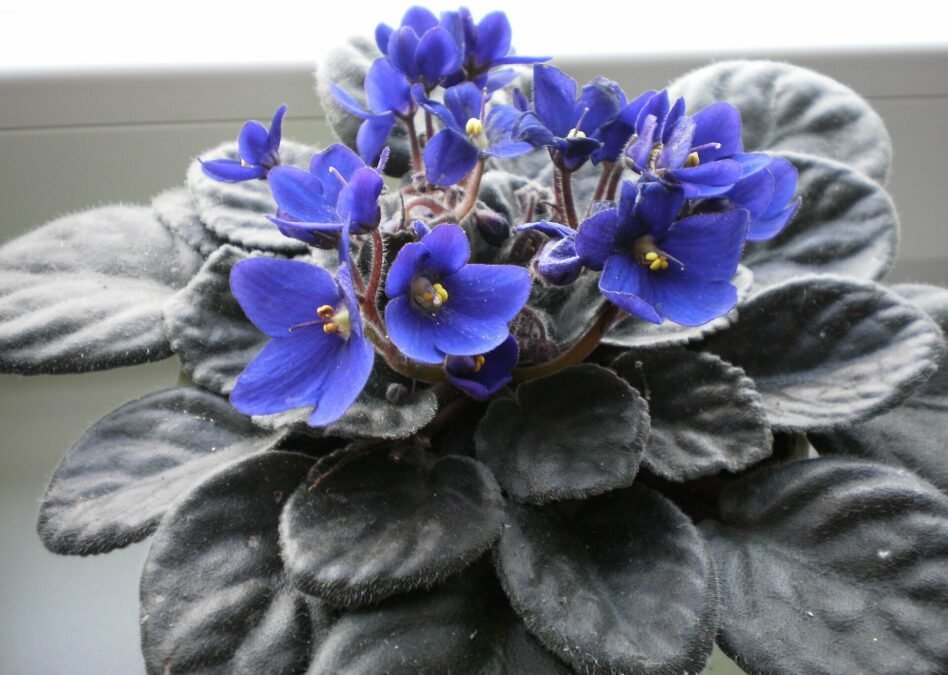
To successfully grow flowers indoors, pair the plant’s light needs with the right indoor exposure—providing 500 to 1,000+ foot-candles (12–16 mol/m²/day DLI) via bright south/east windows or full-spectrum LED grow lights. Plant in a porous, soilless potting mix within containers that feature unobstructed drainage holes, maintain ambient temperatures between 65°F and 75°F (18°C–24°C), water deeply only when the top 1 to 2 inches of soil dry out, and apply a high-phosphorus bloom fertilizer diluted to half-strength during active growth cycles.
Cultivating vibrant, blooming flowers inside a home or apartment transforms interior aesthetics, purifies indoor air, and provides the therapeutic satisfaction of year-round gardening. However, indoor flower cultivation presents unique physiological challenges that foliage houseplants never face: flowering is the most energy-intensive process in a plant’s lifecycle. While leafy tropicals survive in dim, ambient light, blooming plants require precise thresholds of photon energy, root aeration, temperature fluctuations, and nutrient ratios to initiate buds and sustain open blossoms.
Whether your goal is maintaining long-lived flowering houseplants, raising compact annuals from seed to bloom on a windowsill, or starting cut-flower seedlings for a garden, this comprehensive, research-backed guide delivers the exact botanical principles and step-by-step protocols needed for continuous indoor floral success.
1. The Three Ways to Grow Flowers Indoors (Clarifying Your Goal)
Before buying seeds, pots, or grow lights, it is essential to distinguish between the three distinct paths of indoor flower cultivation. Conflating these three categories is the number one reason indoor gardening projects fail.
| Growing Category | Primary Objective | Ideal Plant Varieties | Light & Equipment Needed |
|---|---|---|---|
| 1. Established Flowering Houseplants | Perennial, repeat-blooming plants kept indoors permanently year-round. | African Violets (Saintpaulia), Peace Lilies (Spathiphyllum), Flamingo Flower (Anthurium), Moth Orchids (Phalaenopsis), Holiday Cacti (Schlumbergera). | Bright indirect natural window light (150–1,000 fc) or modest supplemental desk/strip lights. Standard pots with drainage. |
| 2. Full-Cycle Indoor Seed-to-Bloom | Sowing compact, fast-maturing annuals from seed and bringing them to full flowering entirely indoors. | Dwarf Zinnias (‘Thumbelina’), French Marigolds, Sweet Alyssum, Dwarf Calendula, Pansies, Bush Nasturtiums. | High-intensity full-spectrum LED grow lights (14–16 hrs/day; 12–16 DLI). Seed trays, heat mats, and 6–8″ containers. |
| 3. Indoor Seed Starting for Outdoor Gardens | Germinating flower seeds in late winter/early spring to build strong root systems before transplanting outdoors. | Snapdragons, Sweet Peas, Dahlias, Cosmos, Lisianthus, Sunflowers, Celosia. | 32-to-72-cell plug trays, sterile seed-starting mix, heat mats (70°F–75°F), seedling LED shop lights (16 hrs/day), hardening-off zone. |
Key Takeaway: True “outdoor” garden annuals (such as traditional tall zinnias, sunflowers, or snapdragons) cannot produce lush blooms on a standard indoor windowsill without high-output supplemental grow lights. For window-only growing, choose established flowering houseplants adapted to forest understory conditions.
2. The Environmental Physics of Indoor Flowering: Light, Soil, Water & Feeding
According to research from university horticultural extensions, including the University of Minnesota Extension and Iowa State University Extension, flowering plants require specific environmental triggers to transition from vegetative growth to bud production.
A. Indoor Lighting: Foot-Candles, PPFD, and DLI
Human eyes adapt dynamically to low light, making a room appear bright even when light levels are biologically insufficient for photosynthesis. Outdoors on a clear summer day, direct sunlight reaches 10,000 foot-candles (fc). Indoors, light intensity drops precipitously:
- Unobstructed South-Facing Window: 500 to 1,000+ fc at the glass (12–16 mol/m²/day Daily Light Integral [DLI]). Required for high-light bloomers like Geraniums, Kalanchoes, and full-cycle annuals.
- East-Facing Window: 250 to 500 fc of gentle morning sun (6–10 mol/m²/day DLI). Ideal for African Violets, Orchids, and Begonias.
- West-Facing Window: 300 to 800 fc of intense, hot afternoon light. Excellent for sun-tolerant species, but may require sheer curtains to prevent leaf scorch.
- North-Facing Window: 50 to 200 fc of weak, diffused light (3–6 mol/m²/day DLI). Suitable for low-light foliage; only low-demand bloomers like Peace Lilies will flower reliably here.
- The Distance Factor: As demonstrated by the inverse-square law, moving a plant just 3 feet away from a window reduces usable light by more than 50%. Position flowering plants where they can “see” the open sky directly.
When and How to Use Grow Lights
If natural window light is limited, artificial lighting bridges the gap. Full-spectrum LED grow lights providing both blue wavelengths (450 nm) for sturdy vegetative growth and red wavelengths (660 nm) for bud formation are the gold standard. Position lights 6 to 12 inches above flowering houseplants or 3 to 5 inches above growing seedlings, set on an automated timer for 14 to 16 hours daily.
B. Photoperiodism: Short-Day vs. Long-Day Bloom Induction
Many popular indoor flowers are photoperiod-sensitive, meaning blooming is governed by the duration of continuous darkness each night:
- Short-Day (Long-Night) Plants: Varieties like the Christmas/Thanksgiving Cactus (Schlumbergera) and Kalanchoe require 12 to 14 hours of uninterrupted darkness each night for 4 to 6 weeks in autumn to set flower buds (as documented by the University of Georgia Extension). Even turning on a hallway light for 15 minutes can abort bud formation.
- Day-Neutral Plants: African Violets, Peace Lilies, and Anthuriums flower whenever total accumulated light energy (DLI) is sufficient, regardless of day length.
C. Potting Mix & Drainage: The Soilless Substrate Rule
Never Use Outdoor Garden Soil Indoors: Outdoor topsoil compacts densely inside containers, suffocates root respiration, drains poorly, and introduces pathogens (like Pythium and Rhizoctonia) and pests into your home.
Flowering indoor plants require a sterile, highly porous, soilless potting mix with a pH of 5.8 to 6.5. An optimal DIY all-purpose flowering blend includes:
- 40% Sphagnum Peat Moss or Washed Coco Coir: Retains essential moisture and cation exchange capacity.
- 30% Coarse Horticultural Perlite or Pumice: Provides critical macropores for oxygen exchange at the root zone.
- 20% Horticultural Orchid Bark / Pine Bark Fines: Prevents soil compaction over repeated watering cycles.
- 10% Screened Worm Castings or Compost: Delivers slow-release biological micronutrients.
Every container must have functional drainage holes. Never allow pots to sit in standing saucer water, which induces hypoxic conditions and root rot.
D. Precision Watering & Bottom-Watering Protocol
Overwatering is the single most frequent cause of houseplant mortality. Follow the “Soak and Dry” method:
- Insert your finger 1 to 2 inches into the potting mix, or verify that a moisture meter reads in the lower dry tier.
- Bottom-Watering (Recommended for African Violets, Begonias, and Cyclamen): Place the nursery pot into a tray filled with 1 inch of tepid, room-temperature water. Allow the root ball to wick moisture upwards via capillary action for 20–30 minutes until the top surface feels damp. Discard all standing runoff.
- Bottom watering keeps crowns and fuzzy foliage dry, completely eliminating fungal leaf spots (Botrytis) and crown rot.
E. Bloom Nutrition: The Power of Phosphorus and Potassium
Standard foliage houseplant fertilizers feature high nitrogen (e.g., 20-10-10 or 10-5-5), which stimulates rapid green leaf development at the expense of blossoms. To stimulate profuse flowering:
- Switch to a water-soluble Bloom Booster fertilizer with a high Phosphorus (P) and Potassium (K) ratio, such as N-P-K 10-30-20 or 15-30-15.
- Dilute the fertilizer to half the manufacturer’s recommended strength and apply every 2 to 3 weeks during active spring-to-autumn growth.
- Flush the soil once every 2 months with plain distilled or filtered water to dissolve and wash away accumulated fertilizer mineral salts that can burn delicate feeder roots.
3. Top 12 Flowers to Grow Indoors: Profiles & Selection Matrix
Match your indoor lighting conditions to the right flowering species using the university-referenced plant directory below.
| Plant Species | Botanical Name | Light Level Required | Blooming Season | Pet Safety (ASPCA) |
|---|---|---|---|---|
| African Violet | Saintpaulia ionantha | Medium–Bright Indirect (150–600 fc / East window) | Year-round (Nearly continuous) | Non-Toxic to Cats & Dogs |
| Moth Orchid | Phalaenopsis spp. | Bright Indirect (200–500 fc / East window) | Winter through Spring (Blooms last 2–3 mos) | Non-Toxic to Cats & Dogs |
| Holiday / Christmas Cactus | Schlumbergera bridgesii | Bright Indirect (400–800 fc; Short-day induction) | Late Autumn / Winter | Non-Toxic to Cats & Dogs |
| Peace Lily | Spathiphyllum wallisii | Low–Medium Indirect (50–300 fc / North/East) | Spring & Summer (Intermittent) | Toxic (Insoluble Calcium Oxalates) |
| Flamingo Flower | Anthurium andraeanum | Bright Indirect (400–800 fc) | Year-round under warm, humid conditions | Toxic (Insoluble Calcium Oxalates) |
| Wax Begonia | Begonia x semperflorens | Medium–Bright (300–700 fc) | Spring through Autumn | Toxic (Soluble Oxalates in roots/stems) |
| Kalanchoe (Flaming Katy) | Kalanchoe blossfeldiana | Bright Direct to Indirect (600–1,000+ fc / South) | Winter through Spring (Short-day plant) | Toxic (Cardiac Bufadienolides) |
| Cape Primrose | Streptocarpus spp. | Bright Indirect (250–500 fc / East window) | Spring through Autumn | Non-Toxic to Cats & Dogs |
| Zonal Geranium | Pelargonium x hortorum | High Direct Light (1,000+ fc / South window or LED) | Spring through Autumn | Toxic (Essential oils / Geraniol) |
| Dwarf French Marigold | Tagetes patula | High Light (Full-spectrum LED 14–16 hrs/day) | 6–8 weeks from seed to bloom | Mild Skin/GI Irritant |
| Dwarf Zinnia (‘Thumbelina’) | Zinnia elegans | High Light (Full-spectrum LED 14–16 hrs/day) | 7–9 weeks from seed to bloom | Non-Toxic to Cats & Dogs |
| Sweet Alyssum | Lobularia maritima | Medium–High (Cool window or LED) | 5–6 weeks from seed; continuous fragrant blooms | Non-Toxic to Cats & Dogs |
4. Step-by-Step Protocol: Growing Flowers from Seed Indoors to Full Bloom
Growing compact annual flowers entirely indoors from seed is an incredibly rewarding endeavor when executed with sterile, structured methods backed by horticultural best practices.
- Step 1: Select Container-Friendly Seed Varieties
Choose cultivars bred specifically for container compactness, such as Zinnia elegans ‘Thumbelina’ or ‘Profusion’, French Marigolds ‘Disco’ or ‘Bonanza’, Sweet Alyssum ‘Carpet of Snow’, and Dwarf Calendula ‘Calypso’. Avoid tall garden-cut varieties that reach 3–4 feet in height. - Step 2: Prepare Sterile Seed-Starting Medium
Fill seed cell trays (such as a 32-cell plug tray) with a fine, pre-moistened, sterile seed-starting mix (peat/perlite or coco coir blend with zero heavy fertilizer). Tamp the mix lightly to eliminate air pockets, leaving a 1/4-inch rim at the top. - Step 3: Sow at the Correct Depth & Apply Horticultural Vermiculite
As a universal rule from Penn State Extension, sow seeds at a depth equal to 2 to 3 times their width. Tiny seeds (Begonia, Alyssum, Petunia, Impatiens) require light to germinate and should be pressed gently onto the surface. Top the cells with a fine 1/8-inch dusting of horticultural vermiculite. Vermiculite provides antimicrobial protection, preserves moisture, and prevents green algae formation. - Step 4: Bottom-Water & Provide Bottom Heat
Hydrate the tray from below by pouring warm water into the solid bottom reservoir until the soil wicks moisture evenly. Cover the tray with a clear humidity dome to maintain 90%+ relative humidity. Place the tray on an adjustable seedling heat mat set to 70°F–75°F (21°C–24°C). - Step 5: Post-Germination Transition & Air Circulation
The moment 50–70% of seedlings emerge, immediately remove the humidity dome and turn off the heat mat. Lower ambient room temperature to 65°F–68°F (18°C–20°C) and position full-spectrum LED grow lights 3 to 4 inches above the canopy for 14–16 hours daily. Set an oscillating mini-fan on low speed nearby; gentle airflow strengthens seedling stems and prevents damping-off fungal disease (Penn State Extension). - Step 6: Thinning, Potting Up, and Pinching
When seedlings develop their first set of true leaves, thin to one vigorous seedling per cell by snipping weaker sprouts at the soil line with micro-tip shears. When roots fill the cell plugs, transplant seedlings into 6-to-8-inch containers filled with porous soilless potting mix. When seedlings reach 3 to 4 inches in height, pinch out the central growing tip just above a leaf node to stimulate bushy lateral branching and double your future flower bud count. - Step 7: Bloom Induction & Maintenance
Once flower buds begin forming, apply half-strength high-phosphorus liquid bloom fertilizer every 2 weeks. Regularly deadhead (remove spent blossoms) at the base of the flower stem to redirect plant energy away from seed setting and straight into continuous, fresh flower flushes.
5. Common Indoor Flowering Problems & Troubleshooting Matrix
Diagnose and resolve common indoor plant issues quickly using this research-based troubleshooting guide:
| Symptom / Problem | Probable Cause | Horticultural Solution |
|---|---|---|
| Lush, dark green foliage but zero flower buds | Excess nitrogen fertilizer OR insufficient light intensity (low DLI). | Flush soil with clean water to remove excess nitrogen. Switch to a bloom booster fertilizer (high P/K ratio) and move the plant closer to an east/south window or add LED grow lights. |
| Bud Blast (Buds shrivel, turn brown, or drop before opening) | Sudden draft, low humidity (<40%), soil drying out completely, or moving the plant while in bud. | Keep plants away from heating vents/AC units. Maintain 50%+ humidity with a humidifier. Keep soil evenly moist while buds swell and avoid shifting plant orientation. |
| Seedlings collapse and rot at soil level (Damping-Off) | Soil-borne fungal pathogens (Pythium, Rhizoctonia) triggered by soggy soil, cold temperatures, and stagnant air. | Discard infected seedlings. Use sterile seed mix, sanitize containers with a 10% bleach solution, top with vermiculite, avoid overwatering, and run a small fan for airflow. |
| Leggy, weak, stretched stems reaching sideways | Insufficient photon flux density (low light) or grow light positioned too far away. | Lower grow lights to 3–5 inches above canopy, extend timer to 14–16 hours daily, or rotate windowsill plants 90° twice weekly for balanced growth. |
| Yellowing lower leaves with soggy soil | Overwatering and root hypoxia / root rot. | Allow top 2 inches of mix to dry before watering. Ensure container drainage holes are clear. If rot has started, repot in fresh, perlite-rich mix and trim mushy dark roots. |
| White cottony clusters in leaf axils or stippled leaves | Mealybugs (cottony masses) or Two-Spotted Spider Mites (tiny webbing, stippled yellow dots). | Dab mealybugs with a 70% isopropyl alcohol cotton swab. Spray foliage thoroughly with horticultural insecticidal soap or cold-pressed organic neem oil spray every 5–7 days for 3 cycles. |
6. Pet Safety & Toxicity Guide (ASPCA Guidelines)
Indoor gardeners sharing living spaces with companion animals must select flowering species responsibly. Many common indoor bloomers contain chemical compounds that cause severe illness in cats and dogs.
Critical Pet Safety Warnings:
- True Lilies (Lilium & Hemerocallis species, e.g., Easter Lily, Stargazer Lily): DEADLY TO CATS. Ingesting even minor amounts of leaf tissue, water from the vase, or licking pollen from fur causes acute, irreversible renal (kidney) failure in felines (ASPCA Animal Poison Control). Keep out of cat-friendly homes entirely.
- Peace Lilies (Spathiphyllum) & Anthuriums: Contain microscopic, needle-sharp insoluble calcium oxalate crystals that penetrate oral tissue when chewed, causing severe burning, profuse drooling, vomiting, and difficulty swallowing.
- Kalanchoes (Kalanchoe spp.): Contain cardiac glycosides (bufadienolides) which cause gastrointestinal distress and, in rare high doses, cardiac arrhythmias.
100% Pet-Safe Non-Toxic Flowering Alternatives
For homes with curious cats and dogs, choose these verified non-toxic blooming houseplants (ASPCA Pet-Safe Registry):
- African Violets (Saintpaulia spp.): Completely non-toxic to cats, dogs, and horses.
- Phalaenopsis (Moth) Orchids: Safe and non-toxic for all companion pets.
- Christmas / Thanksgiving Cactus (Schlumbergera spp.): Non-toxic epiphytic succulent.
- Cape Primrose (Streptocarpus): Safe, prolific bloomer related to the African violet.
- Dwarf Zinnias & Sweet Alyssum: Non-toxic flowering annuals safe for indoor tabletop displays.
Frequently Asked Questions
Can I grow traditional outdoor cut flowers indoors?
Yes, but with caveats. Standard outdoor cut flowers (like large sunflowers, dahlias, and cosmos) require intense direct sun and deep root space. To grow them successfully indoors, select dwarf or miniature cultivars (e.g., Dwarf Zinnias, Dwarf Calendula, or French Marigolds) and provide 14 to 16 hours of high-output full-spectrum LED grow lighting (achieving at least 12–16 mol/m²/day DLI).
Why did my Christmas Cactus or Kalanchoe stop blooming?
Both plants are short-day (long-night) species that require 12 to 14 hours of total, uninterrupted nighttime darkness in autumn for 4 to 6 weeks to set flower buds. If they are kept in a room where artificial household lights or streetlights remain on in the evening, bud formation will be blocked. Move them to an unused dark room or place a breathable light-proof box over them from 6:00 PM to 8:00 AM daily in October.
How often should I fertilize indoor flowering plants?
During active spring and summer growth, feed every 2 to 3 weeks with a water-soluble, high-phosphorus bloom fertilizer diluted to half the strength listed on the label. Cease or drastically reduce feeding during winter dormancy (November through February) when plant growth naturally slows.
What is the easiest flowering plant for indoor beginners?
The Peace Lily (Spathiphyllum) is the most forgiving for low-to-medium light, while the African Violet (Saintpaulia) is the easiest repeat-bloomer for bright indirect windowsills. For direct sunny windowsills, Kalanchoe and Wax Begonias are exceptionally durable.
How do I stop fungus gnats from infesting my indoor flower pots?
Fungus gnats feed on decaying organic matter and soil fungi in overly moist topsoil. Allow the top 2 inches of soil to dry out between waterings, water from the bottom, place yellow sticky traps at pot level to catch adults, and drench the soil with Bacillus thuringiensis israelensis (BTI / Mosquito Bits) to eradicate gnat larvae safely.
Bottom Line: How to Grow Flowers Indoors Successfully
Success with indoor flowers relies on aligning lighting intensity with the plant’s biological needs—providing 500 to 1,000+ foot-candles via bright windows or full-spectrum LED grow lights.
Always use a porous, soilless potting mix in containers with functional drainage holes, water deeply only when the top 1 to 2 inches dry out, and prioritize high-phosphorus bloom nutrition over high-nitrogen fertilizers.
If you have companion animals, always verify plant toxicity with the ASPCA database and choose non-toxic species like African Violets, Orchids, and Holiday Cacti.